The best investment platforms for UK beginners in 2026
Choosing where to open your Stocks and Shares ISA is one of the first practical decisions you'll make as an investor. It's also one that a lot of people spend far too long on, paralysed by the number of options and the fear of picking the wrong one.
Here's the reassuring truth: for a beginner investing in simple index funds, the differences between the main UK investment platforms are far less significant than the decision to start. A 0.1% difference in annual charges matters, but it matters much less than getting your money invested in the first place.
With that said, charges do compound over time, the platforms charge in very different ways, and several of them changed their prices in 2026. Some are genuinely better suited to beginners than others, and the cheapest platform for £5,000 is often not the cheapest for £100,000. This guide sets out the main options, what each one actually costs, and who it suits.
A note before we start: I used to run the personal investing business at Fidelity International, which is one of the platforms below. I've tried to be scrupulously even-handed, and none of these platforms has paid to be included.
The quick answer
If you only read one section, read this one.
| If you are… | Consider | Why |
|---|---|---|
| Starting small (under about £10,000) and happy with ETFs | InvestEngine or Trading 212 | No platform fee at all on a DIY ETF portfolio |
| Starting small and want ordinary funds, investing monthly | AJ Bell, Fidelity or Hargreaves Lansdown | Percentage fees are tiny on small pots, and monthly investing is free of dealing charges |
| Happy with Vanguard's own funds and expecting to build past £32,000 | Vanguard Investor | Simple, and very cheap once your account is larger |
| Building a bigger pot (roughly £30,000 to £100,000+) | interactive investor | A flat monthly fee that doesn't grow as your money does |
| Want the most hand-holding and research | Hargreaves Lansdown or Fidelity | Strong service, wide choice, good tools |
All of these are FCA-regulated platforms that will serve a beginner perfectly well. If you're in doubt, pick one and start. You can move later, and moving is free at most of them.
What to look for in a platform
Before the platform names, the criteria. These are the things that actually matter for a beginner with a straightforward investment strategy.
- How the platform charges. This is the big one, and there are three models. Percentage fees (AJ Bell, Hargreaves Lansdown, Fidelity, Vanguard above £32,000) are cheap when your pot is small and grow as it grows. Flat fees (interactive investor, and Vanguard below £32,000) cost the same whatever you hold, so they're poor value for small pots and excellent value for large ones. Free platforms (InvestEngine's DIY service, Trading 212) charge nothing to hold your ISA, but only offer ETFs and shares, not traditional funds.
- Fund charges. Separate from the platform fee, you also pay for the funds you hold. A low-cost global index fund typically charges somewhere between 0.06% and 0.25% a year. This is the same wherever you hold the fund.
- Dealing charges. What you pay each time you buy or sell. Most platforms make regular monthly investing free, which is one more reason to invest by direct debit.
- Range of investments. You don't need thousands of options, but you do need access to low-cost global index funds or ETFs.
- Ease of use. If the platform is confusing or the app is poor, you're less likely to stay engaged. This matters more than it sounds.
- Customer service. Rarely needed, but important when you do need it.
One thing that doesn't belong on this list: investment performance. The platform doesn't determine your returns. Your fund choices do. Don't choose a platform based on claims about performance.
UK investment platforms compared
These are the headline charges for a Stocks and Shares ISA, checked against each platform's own website in November 2026.
| Platform | Annual platform fee | Buying and selling funds | Buying and selling ETFs and shares | What you can hold |
|---|---|---|---|---|
| Vanguard Investor | £4 a month under £32,000; 0.15% above that, capped at £375 a year | Free | Free (optional live-price dealing £7.50) | Vanguard's own funds and ETFs only |
| AJ Bell | Funds 0.25% (lower above £250,000); ETFs and shares 0.25%, capped at £3.50 a month | £1.50 (free by regular investing) | £5 (free by regular investing) | Very wide range |
| Hargreaves Lansdown | Funds 0.35% (lower above £250,000); ETFs and shares capped at £150 a year | £1.95 (free by regular investing) | £6.95 (free by regular investing) | Very wide range |
| Fidelity | 0.35% (0.20% above £250,000). Under £25,000, 0.35% only if you have a regular savings plan, otherwise £7.50 a month. ETFs and shares capped at £7.50 a month | Free | £7.50 (£1.50 by regular investing) | Very wide range |
| interactive investor | Flat £5.99 a month up to £100,000 (Core plan), then £14.99 | £3.99 (free by regular investing) | £3.99 (free by regular investing) | Very wide range |
| InvestEngine | £0 on a DIY portfolio; 0.25% for a ready-made LifePlan portfolio | n/a (ETFs only) | Free | ETFs only |
| Trading 212 | £0 | n/a (ETFs and shares only) | Free (0.15% currency fee on non-sterling trades) | ETFs and shares only |
Platforms change their charges from time to time, and several changed them in 2026. Always check the current figures on the platform's own website before you open an account.
What it actually costs at different pot sizes
Percentages are hard to compare in your head, so here is what each platform's annual fee comes to in pounds. This assumes a Stocks and Shares ISA holding ordinary index funds, topped up monthly by direct debit, so no dealing charges apply. Fund charges are extra and the same everywhere.
| Your ISA is worth | £5,000 | £20,000 | £50,000 | £100,000 |
|---|---|---|---|---|
| Vanguard Investor | £48 | £48 | £75 | £150 |
| AJ Bell | £12.50 | £50 | £125 | £250 |
| Hargreaves Lansdown | £17.50 | £70 | £175 | £350 |
| Fidelity (with a regular savings plan) | £17.50 | £70 | £175 | £350 |
| interactive investor (Core plan) | £71.88 | £71.88 | £71.88 | £71.88 |
| InvestEngine or Trading 212 (ETFs) | £0 | £0 | £0 | £0 |
Two things jump out. At £5,000, the flat-fee platforms look expensive and the percentage ones look cheap. At £100,000 it's the other way round. That's why the "best" platform depends on how much you have, and why the platform that suits you at the start may not suit you forever.
If you hold ETFs rather than funds, the percentage platforms get much cheaper, because most of them cap the fee on ETFs and shares: £42 a year at AJ Bell, £90 at Fidelity and £150 at Hargreaves Lansdown.
For more on how platform charges add up over a lifetime, see investment platform fees explained.
The platforms one by one
Vanguard Investor
Best for: beginners who want simplicity and are happy to use only Vanguard's funds.
Vanguard is the home of index fund investing and the platform reflects that: simple, low cost, and deliberately limited in scope. You can only invest in Vanguard's own funds, which is a restriction but also a feature, because it removes the paralysis of too much choice. Its LifeStrategy and global index funds are sensible core holdings for a beginner.
Watch out for: the £4-a-month minimum fee on accounts under £32,000. On a £5,000 ISA that's nearly 1% a year, which is a lot. Vanguard becomes excellent value once you're past about £32,000. To start, you need a £500 lump sum or £100 a month.
AJ Bell
Best for: a good balance of low cost and wide choice.
A solid middle ground between Vanguard's simplicity and Hargreaves Lansdown's breadth. Its 0.25% fund charge is lower than HL's or Fidelity's, the range of funds is wide, and the platform is clean and straightforward. Monthly investing from £25 is free of dealing charges. If you hold ETFs, the £3.50-a-month cap makes it one of the cheapest full-range platforms around.
Watch out for: a £1.50 charge each time you buy or sell a fund outside your regular investing.
Hargreaves Lansdown
Best for: investors who value service, research and ease of use above the lowest possible cost.
The largest investment platform in the UK and consistently rated highly for customer service and ease of use. In March 2026 it cut its main charge from 0.45% to 0.35%, which narrows the gap with its rivals. The interface is excellent, the range of investments is vast, and the support is genuinely good.
Watch out for: a new £1.95 charge for buying or selling funds outside a regular investment plan, and a higher cap on ETFs and shares (£150 a year) than AJ Bell or Fidelity.
Fidelity
Best for: fund investors who will invest monthly, and larger portfolios.
Fidelity has a wide fund range, no charges for buying and selling funds, and a fee that drops to 0.20% once you have £250,000 or more. You can start from £25 a month or a £1,000 lump sum.
Watch out for: if you have less than £25,000 and don't set up a regular savings plan, you pay a flat £7.50 a month instead of 0.35%. Set up a monthly direct debit, even a small one, and that problem disappears.
interactive investor (ii)
Best for: investors building towards a larger pot, especially anyone who wants an ISA and a pension in one place.
ii charges a flat monthly fee rather than a percentage. The Core plan is £5.99 a month for portfolios up to £100,000, and it covers an ISA, a pension (SIPP) and a general account together. Above £100,000 you move to the Plus plan at £14.99 a month. Once your investments reach roughly £30,000, the flat fee starts to beat most percentage charges, and the gap widens as you grow.
Watch out for: on a small pot, £71.88 a year is expensive in percentage terms. Trades outside your regular investing cost £3.99.
InvestEngine
Best for: cost-conscious beginners happy to invest in ETFs.
InvestEngine charges nothing at all to hold a DIY portfolio of ETFs in an ISA: no platform fee, no dealing charges. You only pay the ETFs' own costs. It also offers ready-made LifePlan portfolios for 0.25% a year if you'd rather not choose yourself.
Watch out for: it only offers ETFs, not traditional funds or individual shares. For most beginners that's not a problem, since a global index ETF does the same job as a global index fund. If you're unsure of the difference, read ETFs vs index funds.
Trading 212
Best for: beginners who want a free, app-based ISA and are comfortable choosing ETFs.
Trading 212 charges no platform fee and no commission on its Stocks and Shares ISA. The only routine charge is a 0.15% currency fee when you buy something priced in another currency.
Watch out for: it's built around share trading, and the app makes trading very easy. That's the opposite of what most beginners need. It also offers CFD trading accounts, which are a high-risk product and nothing to do with long-term investing. If you use Trading 212, open the Stocks and Shares ISA, buy a global index ETF, set up a monthly deposit and leave it alone.
Questions beginners often ask
Which UK investment platform has the lowest fees?
For a DIY portfolio of ETFs, InvestEngine and Trading 212 charge no platform fee at all. For ordinary funds, AJ Bell is usually cheapest on smaller pots, and interactive investor's flat fee is usually cheapest on larger ones. Look at the cost table above for your own pot size.
Can I start investing with £25 or £50 a month?
Yes. AJ Bell, Fidelity and interactive investor all accept regular investments from £25 a month, and InvestEngine and Trading 212 let you invest small amounts too. Vanguard is the exception, with a £100 monthly minimum. For more, see how much money you need to start investing.
Which platform supports regular monthly investing?
All of them, and most make monthly investing free of dealing charges. Setting up a monthly direct debit is the single best habit a beginner can build: it takes the decision out of your hands and smooths out the ups and downs of the market.
Percentage fee or flat fee: which is better?
It depends on your pot size. As a rough rule, percentage-fee platforms are cheaper below about £30,000 and flat-fee platforms are cheaper above it. If you expect to build a larger pot over time, it's worth knowing that switching later is straightforward.
Which platform has the best fund selection for beginners?
AJ Bell, Hargreaves Lansdown, Fidelity and interactive investor all offer thousands of funds. But a beginner doesn't need thousands. One low-cost global index fund or ETF is a perfectly good portfolio. Vanguard's limited range and InvestEngine's ETF-only range are both more than enough.
Is my money safe if the platform goes bust?
Your investments are held separately from the platform's own money, in your name. That's a regulatory requirement. If a platform fails, your investments should be transferred to another provider. If anything is missing, the Financial Services Compensation Scheme (FSCS) covers up to £85,000 per person, per firm. The FSCS limit for cash savings rose to £120,000 in December 2025, but the limit for investments stayed at £85,000. None of this protects you from investments falling in value, which is a normal part of investing.
Can I switch platforms later?
Yes. You can transfer your ISA between platforms without losing your ISA allowance or the tax-free status of your investments. Use the official ISA transfer process rather than withdrawing and reinvesting, because withdrawing loses the tax-free wrapper permanently. Most platforms charge nothing to transfer out. Read more on switching investment platforms.
The short version
Pick one of the reputable platforms above, open a Stocks and Shares ISA, set up a monthly direct debit, and choose a low-cost global index fund. That's the decision. It doesn't need to be perfect. It just needs to happen.
If your pot is small, favour a platform with no fee or a low percentage fee. If it grows large, look again at a flat-fee platform. And don't spend three weeks comparing platforms when you could spend that time invested.
The best platform is the one you're actually using.
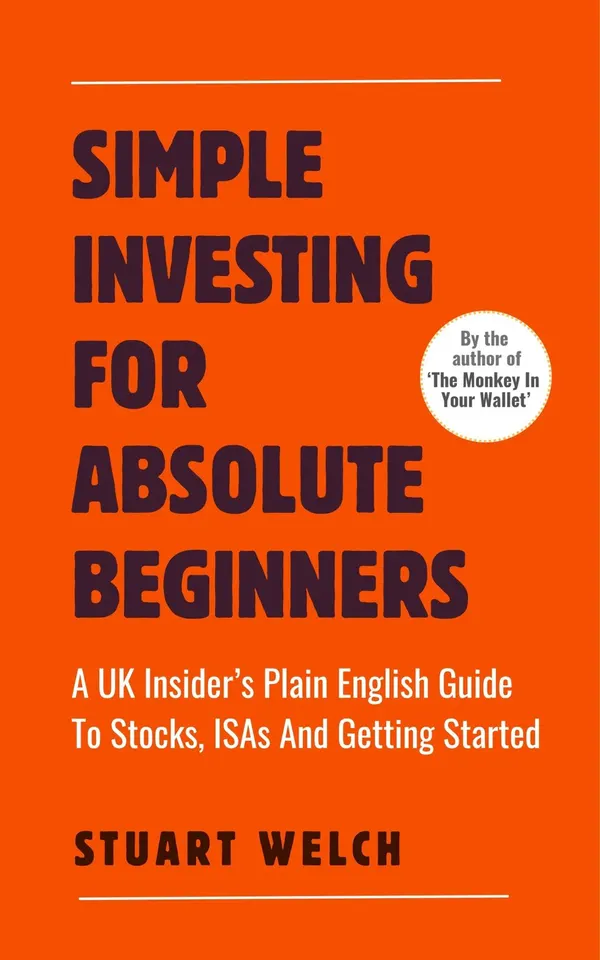
Simple Investing for Absolute Beginners
“Everything you need to know. Nothing you don't. In one afternoon.”
“The author clearly knows this world inside out, but writes like he's talking to a reasonable adult who just hasn't got round to it yet. … If you've been meaning to sort your finances out "at some point," this is the nudge that actually works.”Mrs Carolyn Fortune, Amazon review
Recommended reading on this topic
Full list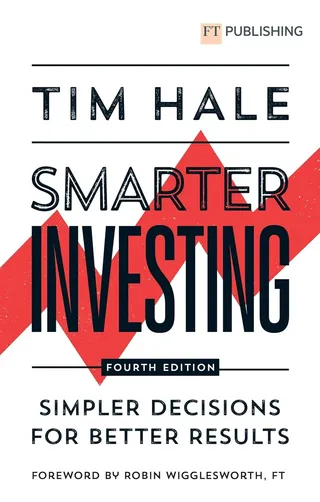
Smarter Investing
Tim Hale
The go-to book for UK investors who want the evidence-based, index-fund approach explained properly, from philosophy through to choosing actual funds. More detailed than a beginner book, so a great second read.
View on Amazon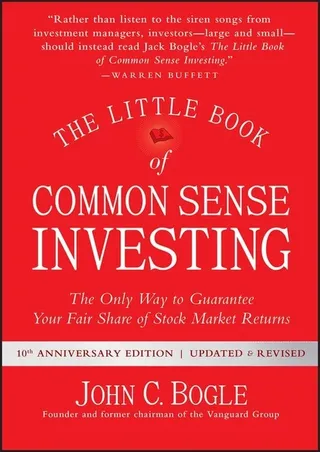
The Little Book of Common Sense Investing(US)
John C. Bogle
The original case for low-cost index funds, from the man who launched the first one for ordinary investors. Short, and still the clearest explanation of why costs matter.
View on Amazon