Tax changes from April 2027: what savers and investors need to know
 Stuart Welch 8 min read
The new tax year starts on 6 April 2027, and it brings more change for savers and investors than most. Some of it was announced at the Budget in November 2025, some at the Budget on 28 October 2026, and one widely reported change, the cut to the cash ISA allowance, has now been cancelled before it ever started.
That last point has caused real confusion. Plenty of articles, bank leaflets and even some platform websites still say the cash ISA limit is falling to £12,000. It isn't.
So here is a plain-English summary of what is actually changing in April 2027, what isn't, and the handful of things worth doing before then. If you just want the numbers, they're all in our UK tax rates and allowances table, which now includes 2027/28.
The short version
- Tax on savings interest goes up to 24%, 44% or 49%, depending on your tax band. This only affects interest above your personal savings allowance, held outside an ISA.
- The cash ISA allowance stays at £20,000 for everyone. The planned cut to £12,000 for under-65s has been scrapped.
- Tax on rental income goes up by the same amount, to 24%, 44% or 49%.
- Unused pensions come into inheritance tax for the first time.
- Income tax thresholds stay frozen, as they have been since 2021, and will stay frozen until April 2031.
- Dividend tax and capital gains tax rates don't change.
- Business Asset Disposal Relief's lifetime limit halves from £1 million to £500,000.
The common thread is simple. Money held inside an ISA stays free of UK income tax and capital gains tax. Pension investments keep their tax advantages too, although unused pension funds will generally be brought into the inheritance tax calculation from April 2027. Money held outside these wrappers is taxed more heavily than before. That makes using your ISA allowance more valuable than it has been for years.
1. Tax on savings interest goes up
From 6 April 2027, savings income gets its own tax rates, separate from the rates on your salary or pension. They are 4 percentage points higher:
| Taxpayer | Tax on savings interest now | From 6 April 2027 |
|---|---|---|
| Basic rate | 20% | 24% |
| Higher rate | 40% | 44% |
| Additional rate | 45% | 49% |
These rates only bite on interest above your personal savings allowance, which doesn't change: £1,000 a year of interest is tax-free for basic-rate taxpayers, £500 for higher-rate taxpayers, and nothing for additional-rate taxpayers. If your other income is low, you may also benefit from the starting rate for savings, which can make up to £5,000 of interest tax-free. It shrinks by £1 for every £1 of other income above your personal allowance, so most people in work won't get it.
The November 2025 Budget announced a two-percentage-point increase, to 22%, 42% and 47%. The October 2026 Budget added a further two percentage points, making a four-point rise in total.
What it means in practice. Say you're a higher-rate taxpayer with £40,000 in an easy-access savings account paying 4%. That's £1,600 of interest. The first £500 is tax-free, leaving £1,100 taxable. Today you'd pay £440 in tax on it. From April 2027 you'd pay £484. Hold the same money in a cash ISA and you'd pay nothing.
The amounts aren't enormous for most people, but they grow with your savings, and higher interest rates make them grow faster. And none of it applies to money in an ISA.
2. The cash ISA cut isn't happening
At the November 2025 Budget, the then Chancellor announced that from April 2027, people under 65 would only be able to put £12,000 a year into a cash ISA, with the rest of their £20,000 allowance reserved for stocks and shares. The idea was to nudge savers into investing.
At the Budget on 28 October 2026, the new Chancellor scrapped it. From April 2027, you can still put the full £20,000 into a cash ISA, whatever your age.
The rules that came with the cut have gone too. There had been plans for a 22% charge on interest earned on uninvested cash held inside a stocks and shares ISA, and a ban on transferring from a stocks and shares ISA to a cash ISA. With the cut cancelled, those were dropped, although the official detail is still to be published.
The government has said it will instead look at a new incentive, sometimes called a "Starter ISA", for people investing in a stocks and shares ISA for the first time. No details yet.
If you'd started reorganising your savings because of the £12,000 cap, you can relax. Read more on the different types of ISA.
And the Lifetime ISA
Two Lifetime ISA changes came out of the same Budget. From 29 October 2026, if you use your Lifetime ISA for an otherwise qualifying first home that costs more than the £450,000 cap, the withdrawal charge is 20% rather than 25%. And the government confirmed that a new First-Time Buyer ISA will replace the Lifetime ISA for new savers from April 2029. If you already have a Lifetime ISA, you'll be able to keep using it under the current rules. See Lifetime ISA pros and cons for what that means if you have one.
3. Tax on rental income goes up
If you're a landlord, property income also gets its own tax rates from April 2027, at the same levels as savings: 24% for basic-rate taxpayers, 44% for higher-rate and 49% for additional-rate. These rates apply in England, Wales and Northern Ireland. Scotland has separate arrangements for setting property income tax rates.
4. Pensions come into inheritance tax
This one was announced back in October 2024, and it's now law. From 6 April 2027, most unused pension funds and pension death benefits will count as part of your estate for inheritance tax.
Until now, a pension has usually passed to your family outside your estate, which made it one of the most tax-efficient things you could leave behind. That changes. Your pension will now be counted as part of your estate when working out inheritance tax. That doesn't mean every pension faces a 40% charge: tax is only due if your whole estate, including the pension, is above the inheritance tax thresholds, and some benefits are excluded, such as death-in-service benefits and continuing annuities. Depending on your age when you die, your beneficiaries may also pay income tax on what they draw from an inherited pension.
Most estates still won't pay any inheritance tax, because the nil-rate band (£325,000), the residence nil-rate band (£175,000) and the spouse exemption all still apply. But if you have a large pension and other assets, this is worth a proper look. We've covered it in detail in pension inheritance tax 2027.
5. What isn't changing
Just as important as what's changing:
- Your £20,000 overall ISA allowance. Unchanged, and still the most generous tax shelter most people have.
- Pension tax relief and the 25% tax-free lump sum. Unchanged. The pension annual allowance stays at £60,000.
- Dividend tax. It went up in April 2026, to 10.75% for basic-rate taxpayers and 35.75% for higher-rate, and stays there. The dividend allowance stays at £500.
- Capital gains tax. Still 18% and 24%, with a £3,000 annual tax-free allowance.
- Income tax rates. Still 20%, 40% and 45% on earnings and pensions in England, Wales and Northern Ireland. Scotland has its own income tax bands and rates.
But "unchanged" isn't quite the same as "no extra tax". The personal allowance has been £12,570 since 2021, and the higher-rate threshold £50,270. Both are now frozen until April 2031. As wages and pensions rise, more of your income ends up taxed, and more people get pulled into the higher-rate band. It's sometimes called fiscal drag: a tax rise nobody has to announce.
One welcome detail from the October 2026 Budget: people whose only income is the State Pension won't be pushed into paying income tax because of the frozen personal allowance, thanks to a new pension tax allowance.
6. Selling a business? The relief is halving
If you're self-employed or own a business, Business Asset Disposal Relief gives you an 18% capital gains tax rate on qualifying business disposals. From 6 April 2027, the lifetime limit on qualifying gains falls from £1 million to £500,000, with some transitional rules for sales agreed before then. If a sale is on the horizon, the timing may matter, and this is one to discuss with an accountant.
What to do before 5 April 2027
None of this calls for drastic action. But a few simple steps are worth taking before the new tax year.
- Use this year's ISA allowance. You have until 5 April 2027 to use your 2026/27 £20,000. Allowances don't roll over.
- Move taxable savings into an ISA. If you have cash in ordinary savings accounts earning more than your personal savings allowance, a cash ISA keeps all the interest tax-free. From April it saves you more than it does today.
- Shelter investments held outside a wrapper. If you hold funds or shares in a general investment account, consider moving them into your ISA over time, sometimes called "Bed and ISA". Dividends and gains inside an ISA are tax-free. Bear in mind that a Bed and ISA counts as selling your investments, so if they've grown by more than your £3,000 capital gains allowance, you may have capital gains tax to pay. Spreading it over several tax years can help.
- Check your pension nominations. Make sure your pension provider has an up-to-date expression of wish form, and if your estate is large, review your wider plans. Speaking to a financial adviser is sensible here.
- Don't panic about your investments. Nothing in either Budget changes the basic case for long-term, low-cost, diversified investing inside an ISA or pension. If anything, it strengthens it.
The bottom line
The theme of April 2027 is that the tax system keeps rewarding people who use their ISA and pension allowances, and keeps taking more from those who don't. Higher savings tax, frozen thresholds and pensions in inheritance tax all point the same way.
So the most useful thing most people can do isn't complicated: use your ISA allowance every year, keep your cash savings and investments inside tax-free wrappers wherever you can, and let the long term do the rest.
Figures are from the Budget 2026 rates annex published by HM Treasury on 28 October 2026, and apply to England, Wales and Northern Ireland unless stated. Changes taking effect from April 2027 are subject to legislation. Scotland sets its own income tax rates on earnings, pensions and property income. This article is for information and education only and does not constitute financial or tax advice.
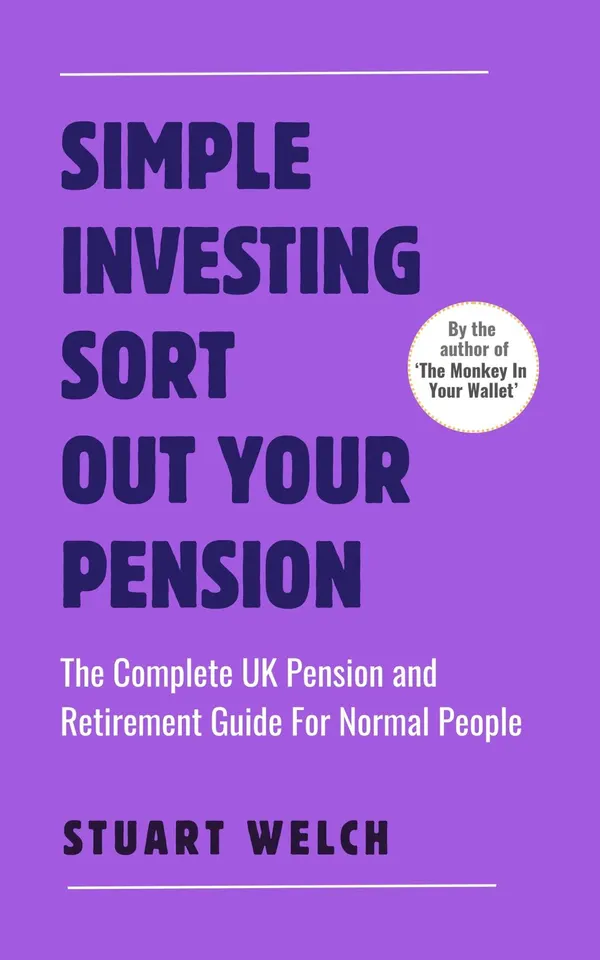
Simple Investing: Sort Out Your Pension
“The complete UK pension guide for normal people.”
“This is a book that EVERYONE should read, and that I wish I could have read years ago! I really didn't realise how important paying attention to my work pensions was, or that I had choices as to how it is run. … I didn't realise that I could have work-place pensions sitting just waiting for me to recover them! Such a very useful book.”Sally Puddick, Amazon review
Recommended reading on this topic
Full list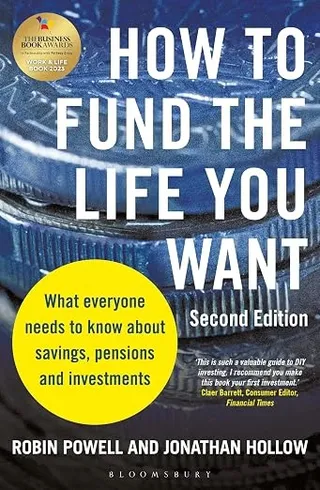
How to Fund the Life You Want
Robin Powell & Jonathan Hollow
A UK-specific guide to savings, pensions and investing by a financial journalist and a former Money and Pensions Service insider. Plain-spoken about how the industry profits from complexity.
View on AmazonBeyond the 4% Rule
Abraham Okusanya
One of the few books on retirement income written for UK retirees: how much you can safely draw from your pot. Best read once retirement is in sight.
View on Amazon